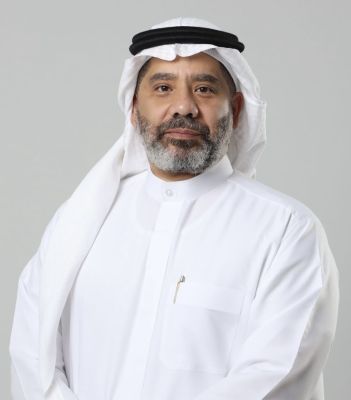
في الأندية الكبرى والجماهيرية، لا تكون السيرة الذاتية لرئيس النادي ضمانة للنجاح، ولا الخبرة الإدارية شهادة عبور. فهناك كراسي، حين يُجلس عليها، تفرض شروطها الخاصة، وتكشف سريعاً الفارق بين من يملك المؤهلات النظرية، ومن يملك القدرة على القيادة في الميدان.
حين جاء فهد سندي إلى رئاسة نادي الاتحاد، لم يأتِ محمولاً على صراع انتخابي مشتعل، ولا وسط تنافس برامج أو رؤى متباينة. بل جاء في ظرف استثنائي، بعد انسحاب المرشحين وبقائه وحيداً في مشهد المنافسة، وفي مرحلة كان الاتحاديون فيها يبحثون عن الاستقرار أكثر من بحثهم عن الأسماء. ورغم ذلك، أحاط الجمهور الرجل بتفاؤل صادق، وتفاعل إيجابي، لا لأنه ابن مدرج أو كونه رمزاً جماهيرياً، بل لأن سيرته الإدارية أوحت بأن النادي قد يجد أخيراً يداً منظمة في مرحلة مضطربة.
غير أن التجربة سرعان ما كشفت أن إدارة نادٍ عريق مثل الاتحاد لا تُختزل في الخبرة الإدارية وحدها، مهما بلغت من الاحتراف والانجازات الموسسية. فالأندية الجماهيرية لا تُدار بعقل الشركة، ولا تُقاس بمعايير المؤسسات التقليدية. بل هي منظومات معقّدة، تتداخل فيها الفكرة الرياضية، والقدرة المالية، والحضور الجماهيري، وفهم رمزية الكيان، قبل أي مهارة تنظيمية أو إدارية، وهي ما كانت بكل تاكيد تنقص الرئيس الحالي للنمور.
فمنذ البدايات الأولى للادارة الحالية، بدت الإشارات مقلقة. فالتجربة لم تنطلق برؤية رياضية واضحة، ولا بمشروع يُقنع الجماهير بأن ما هو قادم يستحق الصبر. ومع توالي التعثرات، انتقل المشهد من محاولة احتواء الغضب إلى الانغماس فيه، حين اختار الرئيس أن يكون حاضراً في كل نقاش، يرد على كل تغريدة، ويبرّر كل قرار، ويشرح كل تأخير، ظناً منه أن الشفافية تعني التفاعل الدائم، وأن امتصاص الغضب يكون بالحضور المستمر.
لكن كرة القدم لا تعترف بهذا المنطق. فالردود، حين لا تسندها نتائج، تتحوّل من شفافية إلى تبرير، ومن حضور إلى إنهاك للمنصب. وشيئاً فشيئاً، تآكلت هيبة الكرسي، وتحول موقع القرار إلى مساحة جدل يومي، في وقت كانت الجماهير تبحث عن أفعال لا تفسيرات، وعن صمت يُنتج قرارات، لا كلام يُضاعف القلق.
وعلى أرض الملعب، لم تكن الصورة أفضل حالاً. فبدءاً من تعاقدات باهته بلا أثر، مروراً بالتساهل والتفريط في عناصر مؤثرة في الفريق، وانتهاءً بغياب تام لأي ملامح تنبئ بنجاح مشروع رياضي. ومع كل جولة، كان الإحساس يتعمق بأن الاتحاد -هذا الكيان الذي اعتاد أن يفرض نفسه- بات أشبه بنادٍ بلا مخالب، لا لضعف لاعبيه وحدهم، بل لغياب الرؤية التي تحميهم وتستثمر فيهم.
وحين تتوالى الإشارات السلبية منذ البداية، فإن النهايات نادراً ما تكون مفاجئة. فكما يقول المثل العربي البليغ: «ليالي العيد تبان من عصاريها». وحين تكون «العصاري» مثقلة بالارتباك، ومتخمة بالتبرير، فإن انتظار العيد لا يحمل في الغالب بشائر، بل يطيل زمن الخيبة. لذلك لم يعد الصبر على التجربة فضيلة، بقدر ما أصبح مغامرة قد تنتهي بمفاجأة سلبية أشد ضرراً من الحسم المبكر.
وفي مثل هذه اللحظات، لا يكون الخروج من المشهد قسوة، بل ضرورة لحماية الكيان من مزيد من الاستنزاف.
وفي ذروة هذا المسار، جاء خبر انتقال كريم بنزيما إلى نادي الهلال، في واقعة شكّلت صدمة رمزية لجمهور يرى في الاتحاد أكثر من نادٍ، ويرى في نجومه جزءاً من هيبته وتاريخه. لم يكن الحدث في ذاته هو المشكلة، بقدر ما كان تتويجاً لمسار فقد فيه الاتحاد قدرته على فرض شروطه، وحماية رمزيته، وإدارة ثقله كما يليق به.
وبمنطق التقييم الهادئ، لا المنفعل، يمكن القول إن تجربة فهد سندي ستُدرج ضمن أكثر التجارب التي أساءت فهم طبيعة كرسي رئاسة الاتحاد. ليس لأنه الأسوأ نية، ولا لأنه الأقل كفاءة إدارية، بل لأنه أخطأ في قراءة الكيان الذي يديره. ففي تاريخ الاتحاد، مرّ رؤساء كُثر، بعضهم تعثّر مالياً، وبعضهم أخفق رياضياً، لكن القلّة فقط هم من أخطأوا في فهم العلاقة بين الرئيس والنادي نفسه؛ أن الاتحاد لا يُدار كملف، ولا يُحتوى بالتصريحات، ولا يُطمْأَن بالردود.
وهنا تتجاوز المسألة حدود الأشخاص. ففهد سندي، بكل إنصاف، ليس رجلاً سيئاً، ولم يأتِ بنيّة الإضرار بالاتحاد. لكن التجربة أثبتت أن حسن النية، حين لا يُرافقه فهم عميق لطبيعة القيادة الرياضية والجماهيرية، قد يتحول من نقطة قوة إلى عبء ثقيل. فإدارة نادٍ مثل الاتحاد تحتاج رئيساً يعرف متى يصمت، ومتى يقرّر، ومتى يترك النتائج تتحدث، ويدرك أن الكرسي ليس مساحة تواصل، بل موقع اختبار قاسٍ لا يرحم.
فالاتحاد ليس مجرد كيان إداري، بل حالة جماهيرية، وثقل رياضي، وتاريخ لا يمنح الفرص مرتين لمن لا يحسن التعامل معه. ومن يتصدّر لإدارته، يجب أن يمتلك أكثر من سيرة ذاتية جيدة، وأكثر من خبرة تنظيمية؛ يمتلك فهماً راسخاً لطبيعة النادي، وضغطه، ورمزيته، وحساسية جماهيره.
وتجربة فهد سندي، بكل ما حملته من آمال وخيبات، تقدّم درساً مؤسسياً بالغ الأهمية؛ أن الأندية الكبرى لا تُدار بعقل إدارة منظومة خدمية أو تجارية، ولا بعاطفة المدرج، بل بمزيج نادر يجمع بين الحزم، والرؤية، والقدرة على تحمّل الصمت حين يكون الصمت أبلغ من ألف تبرير.
In major and popular clubs, the resume of the club president is not a guarantee of success, nor is administrative experience a certificate of passage. There are chairs that, when sat upon, impose their own conditions and quickly reveal the difference between those who possess theoretical qualifications and those who have the ability to lead in the field.
When Fahd Sindi came to the presidency of Al-Ittihad Club, he did not arrive amid a heated electoral struggle, nor in the midst of competing programs or divergent visions. Rather, he came in an exceptional circumstance, after the withdrawal of candidates, leaving him alone in the competitive scene, at a time when the Ittihad fans were seeking stability more than they were looking for names. Despite this, the public surrounded the man with sincere optimism and positive interaction, not because he was a fan or a popular symbol, but because his administrative history suggested that the club might finally find an organized hand in a turbulent phase.
However, the experience quickly revealed that managing a prestigious club like Al-Ittihad cannot be reduced to administrative experience alone, no matter how professional and accomplished it may be. Popular clubs are not managed with a corporate mindset, nor are they measured by traditional institutional standards. They are complex systems where the sports idea, financial capability, fan presence, and understanding of the entity's symbolism intertwine, before any organizational or administrative skill, which was certainly lacking in the current president of the Tigers.
From the very beginning of the current administration, the signs were concerning. The experience did not start with a clear sports vision, nor with a project that would convince the fans that what is to come is worth the wait. With the continued setbacks, the scene shifted from attempting to contain anger to immersing in it, as the president chose to be present in every discussion, responding to every tweet, justifying every decision, and explaining every delay, believing that transparency meant constant interaction and that absorbing anger could be achieved through continuous presence.
But football does not recognize this logic. Responses, when not supported by results, turn from transparency into justification, from presence into exhaustion of the position. Little by little, the prestige of the chair eroded, and the decision-making site transformed into a space of daily debate, at a time when the fans were looking for actions, not explanations, and for silence that produces decisions, not words that multiply anxiety.
On the field, the picture was no better. Starting with lackluster contracts with no impact, through leniency and neglect of influential elements in the team, to a complete absence of any signs indicating the success of a sports project. With each round, the feeling deepened that Al-Ittihad—this entity that was accustomed to imposing itself—had become akin to a club without claws, not only due to the weakness of its players but also due to the absence of a vision that protects and invests in them.
When negative signals accumulate from the beginning, the endings are rarely surprising. As the eloquent Arabic proverb says: "The nights of Eid are evident from their evenings." When the "evenings" are burdened with confusion and filled with justification, waiting for Eid usually does not bring good tidings but prolongs the time of disappointment. Therefore, patience with the experience is no longer a virtue, but rather an adventure that may end with a negative surprise more damaging than early resolution.
In such moments, exiting the scene is not cruelty but a necessity to protect the entity from further depletion.
At the height of this trajectory, the news of Karim Benzema's transfer to Al-Hilal Club came as a symbolic shock to a fanbase that sees in Al-Ittihad more than just a club, viewing its stars as part of its prestige and history. The event itself was not the problem, but rather a culmination of a path in which Al-Ittihad lost its ability to impose its conditions, protect its symbolism, and manage its weight as it deserves.
With a calm evaluation, not an emotional one, it can be said that Fahd Sindi's experience will be listed among the most misunderstood experiences regarding the nature of the presidency of Al-Ittihad. Not because he had the worst intentions, nor because he was the least administratively competent, but because he misread the entity he was managing. In Al-Ittihad's history, many presidents have passed, some of whom stumbled financially, and some failed athletically, but only a few have misunderstood the relationship between the president and the club itself; that Al-Ittihad is not managed like a file, nor contained by statements, nor reassured by responses.
Here, the issue transcends individual personalities. Fahd Sindi, fairly speaking, is not a bad man and did not come with the intention of harming Al-Ittihad. But the experience proved that good intentions, when not accompanied by a deep understanding of the nature of sports and popular leadership, can turn from a point of strength into a heavy burden. Managing a club like Al-Ittihad requires a president who knows when to be silent, when to decide, when to let the results speak, and understands that the chair is not a space for communication but a site of a harsh test that shows no mercy.
Al-Ittihad is not just an administrative entity, but a popular phenomenon, a sports weight, and a history that does not grant opportunities twice to those who do not know how to deal with it. Those who take charge of its management must possess more than just a good resume and more than organizational experience; they must have a deep understanding of the nature of the club, its pressures, its symbolism, and the sensitivity of its fans.
Fahd Sindi's experience, with all its hopes and disappointments, offers a profoundly important institutional lesson: that major clubs are not managed with the mindset of a service or commercial system, nor with the emotions of the stands, but with a rare mix that combines firmness, vision, and the ability to endure silence when silence speaks louder than a thousand justifications.
ملحوظة: مضمون هذا الخبر تم كتابته بواسطة عكاظ ولا يعبر عن وجهة نظر مصر اليوم وانما تم نقله بمحتواه كما هو من عكاظ ونحن غير مسئولين عن محتوى الخبر والعهدة علي المصدر السابق ذكرة.