

كشفت دراسة علمية حديثة أن مجتمعات بشرية عاشت في جنوب الجزيرة العربية خلال الألفية الخامسة قبل الميلاد كانت تتغذى على أحد أبرز المفترسات البحرية، وهو سمك القرش.

الدراسة، التي نُشرت أخيرا في مجلة Antiquity العلمية، ركزت على مقبرة أثرية ضخمة في موقع وادي نفون بسلطنة عُمان، يعود تاريخها إلى نحو سبعة آلاف عام.
وبحسب موقع فوكس نيوز، أفاد بيان صادر عن المعهد الأثري التابع للأكاديمية التشيكية للعلوم في براغ (ARUP) بأن هذه المقبرة توفر أدلة تفصيلية حول النظام الغذائي وأنماط التنقل لمجتمعات العصر الحجري الحديث في المنطقة.
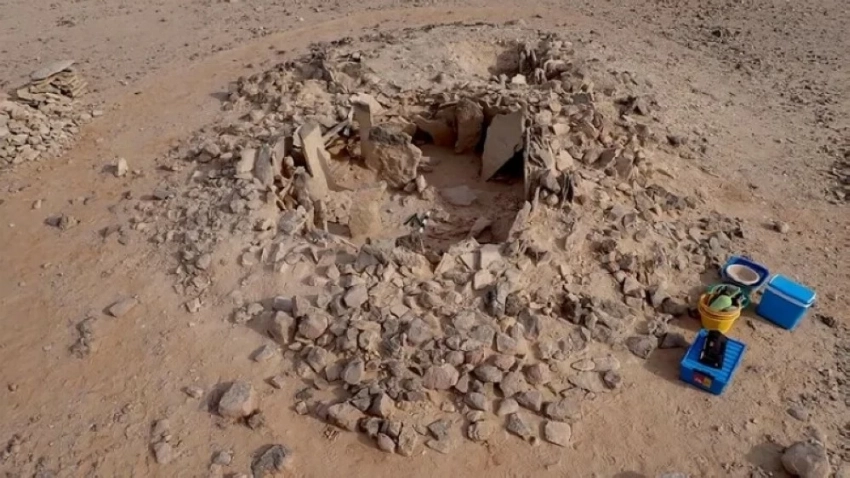
ويعمل علماء الآثار في الموقع منذ عام 2020، وسط مناخ صحراوي قاسٍ أسهم في ندرة بقاء البقايا العضوية، وللتغلب على ذلك، جمع الباحثون عينات من أسنان بشرية عُثر عليها في الموقع، ونُقلت إلى جمهورية التشيك لإخضاعها لتحليلات مخبرية متقدمة.
وأوضح عالم الأنثروبولوجيا ييري شنيبيرغر أن الفريق استخدم تقنية تحليل النظائر المستقرة لإعادة بناء النظام الغذائي للسكان القدماء، وأظهرت النتائج الأولية احتمال اعتمادهم بشكل رئيسي على لحم القرش كمصدر أساسي للغذاء والطاقة.
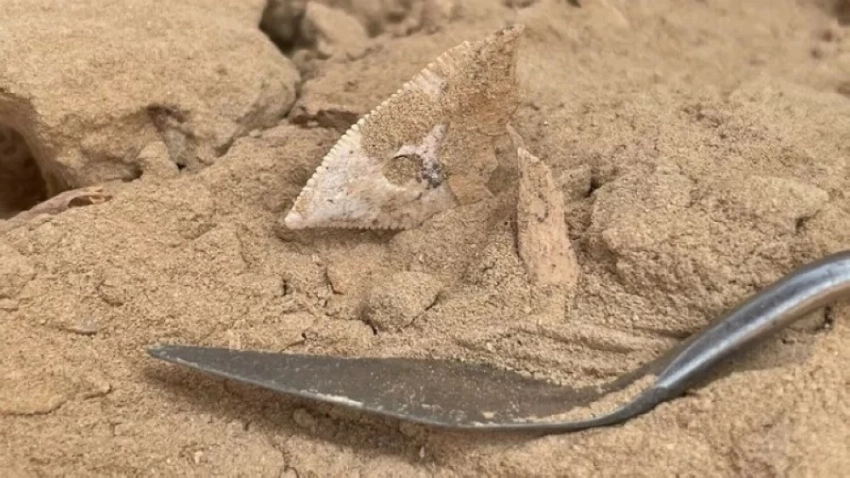
من جهتها، أكدت ألجبِيتا دانيلِسوفا، عالمة الآثار وقائدة البعثة البحثية، أن هذه الدراسة تُعد الأولى من نوعها، إذ تمكن الباحثون للمرة الأولى من توثيق صيدٍ متخصص لمفترسات بحرية اعتمادًا على بيانات علمية طبيعية مستخلصة مباشرة من تحليل بقايا المجتمع المدفون في الموقع.
وأضافت أن الارتباط الوثيق بين هذه الجماعة البشرية وأسماك القرش يُعد اكتشافًا جديدًا، ليس فقط بالنسبة لتاريخ شبه الجزيرة العربية قبل التاريخ، بل أيضًا لكافة ثقافات العصر الحجري الحديث في المناطق القاحلة، وأشارت إلى أن البروتينات التي كان يتناولها هؤلاء لم تكن عادية، بل جاءت من قمة السلسلة الغذائية البحرية.
ويرى المسؤولون عن الدراسة أن نتائجها قد تحمل أبعادًا دولية مهمة، خصوصا في ما يتعلق بفهم إستراتيجيات تكيف الإنسان القديم مع البيئات المتنوعة والقاسية.
وأكد البيان أن النتائج الحالية تعكس إستراتيجية معيشية مرنة ومتكيّفة للغاية، جمعت بين الصيد وجمع الثمار والرعي والاستغلال المنهجي للموارد البحرية.
كما خلص الباحثون إلى أن موقع وادي نفون لم يكن مجرد مقبرة، بل أدّى دورًا مركزيًا كموقع طقوسي على مدى أكثر من ثلاثة قرون، وأسهم في توحيد مجموعات بشرية مختلفة في المنطقة.
A recent scientific study revealed that human communities living in the southern Arabian Peninsula during the fifth millennium BC were feeding on one of the most prominent marine predators, the shark.
The study, published recently in the journal Antiquity, focused on a massive archaeological cemetery at the Wadi Nafun site in the Sultanate of Oman, dating back approximately seven thousand years.
According to Fox News, a statement from the archaeological institute of the Czech Academy of Sciences in Prague (ARUP) indicated that this cemetery provides detailed evidence about the diet and mobility patterns of Neolithic communities in the region.
Archaeologists have been working at the site since 2020, amidst a harsh desert climate that contributed to the scarcity of organic remains. To overcome this, researchers collected samples from human teeth found at the site, which were transported to the Czech Republic for advanced laboratory analyses.
Anthropologist Jiří Šnebergr explained that the team used stable isotope analysis techniques to reconstruct the diet of ancient populations, and initial results suggest that they primarily relied on shark meat as a main source of food and energy.
For her part, Aljibita Danielisova, an archaeologist and leader of the research mission, confirmed that this study is the first of its kind, as researchers were able for the first time to document specialized hunting of marine predators based on natural scientific data directly derived from the analysis of the remains of the buried community at the site.
She added that the close association between this human group and sharks is a new discovery, not only for the prehistory of the Arabian Peninsula but also for all Neolithic cultures in arid regions, noting that the proteins consumed by these people were not ordinary but came from the top of the marine food chain.
The study's officials believe that its results may carry significant international implications, particularly regarding the understanding of how ancient humans adapted to diverse and harsh environments.
The statement confirmed that the current results reflect a highly flexible and adaptive living strategy, combining hunting, gathering, herding, and systematic exploitation of marine resources.
Researchers also concluded that the Wadi Nafun site was not merely a cemetery but played a central role as a ritual site for over three centuries, contributing to the unification of different human groups in the region.
ملحوظة: مضمون هذا الخبر تم كتابته بواسطة عكاظ ولا يعبر عن وجهة نظر مصر اليوم وانما تم نقله بمحتواه كما هو من عكاظ ونحن غير مسئولين عن محتوى الخبر والعهدة علي المصدر السابق ذكرة.
