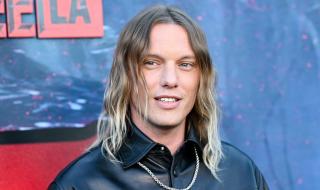

يعتني الشاعر مريّع سوادي بنصّه عنايته بشخصه، فالكتابة عنده ليست ترفاً، والنشر ليس ضرورة، وهو من شعراء تشرّبوا عذوبة اللغة من ابتهالات المُعمرين، وشلال السواقي، وترانيم عصافير الحقول، وطروق الرعاة، ومن أنفاس الأرض التي تتحوّل إلى سحاب يداعب قمم الجبال، نصّه مغمور بالندى، وكلماته أجنّة تتناسل من رحم الليل المفتون بأنغام الرياح المتسللة من أخشاب النوافذ إلى أفئدة البراءة، أجاب عن أسئلتي باقتضاب، فإلى نص الحوار..
• أين أنت عن المشهد الثقافي؟
•• لا يوجد مشهدٌ ثقافيٌ واحد الآن.. هناك فضاءات متنوعة متباعدة متقاربة، تتجاذبها اقتصاديات التسليع الثقافي.
• كيف حالك مع الشِّعر؟
•• بخير..
• ما وقت الكتابة؟ وما حظ القراءة من وقتك؟
•• ليس للشعر وقت وحين، هو الذي يوحي، وهو الغيب المحبب لي.
• ألا تظن أن الكتابة غدت هاجساً أكثر من القراءة؟
•• أشفق على هذا الجيل الذي غشته تقنيات العصر، وفوضى التواصل الاجتماعي، التي أخذت من وقته ومعرفته وقراءاته. القراءة هي فعل معرفي واجبٌ لإكمال ما يجب على الإنسان معرفته لنفسه ثم محيطه الاجتماعي والعالم. • لماذا لست مهجوساً بكثرة النشر للقصائد والمجموعات؛ خوفاً من ردات الفعل أم عدم ثقة في ذائقة المتلقي؟
•• الآن سأغدو للشعر كما النورس حين يغنّي خارج روحه، للأرضِ الممزوجة بالملح وبالبارودِ وبالجنّي، تأتي ساداتيَ روحي نافرة نحو بياض الصدفة في قدري؛ كي أزهو، فلعلّ الكلمات تقربنا، ولعلّ ميادينَ الوحشةِ تدهشنا، ولعلّ مقامرتي بالكون وما يأتي يشعلني نحو غدي.
• هل زهدت في الأمسيات؟ وما السبب إن كان ذلك كذلك؟
•• أنا من خمسة أعوام وأكثر لم أُدعَ لأمسية، كنت ضيفَ شرف، وأقدّرُ هذا الضياع بين تشكيل المؤسسات المتنازعة للأدب واستراتيجية إعادة الحضور.
• ماذا عن مريّع سوادي: الطفل، الطالب، الشاب؟
•• كنتُ متعلقاً بالنجوم وأنا طفل، وكنتُ أخاف من مدرس الرياضيات، لكني أكتب لأصدقائي موضوع التعبير قبل أن يعرف المعلم بذلك، خصوصا في أولى ثانوي.
• من رعى وسقى نبتة الإبداع وحماها لتنمو؟
•• أنا فقط، فبعد إبداعي المدرسي كنت أمام جمهور القرية أنشدُ شيئاً من أبيات لم أعد أذكرها، وربما كانت محاولاتي الأولى سبباً في رضا خالي رحمة الله عليه عنّي، وإعجابه بي منذ طفولتي، ولاحقاً احتفى بي وزوّجني ابنته.
• متى كانت أول كتابة؟ وأين؟ وماذا عن أصدائها؟
•• لا أدري.
• بماذا تعاملت مع نرجسية الشاعر لتفادي التبعات المؤثرة على النص؟
•• وهل الشاعر نرجسي ليتفادى ما هو غير؟ هلاك الشعراء حينَ يتنرجسون.
• من «وشايات قرويّة» إلى «أرجوحة» هل عبّرت القصيدة عن داخلك بصدق؟
•• ربما، لكني أنقصتُ الحزن.
• ما مدى رضاك عن تناول النقاد نصوصك؟
سؤال للا شيء.. لا توجد الآن مساحةٌ للناقد؛ كي يقول رأيه.. المساحات يا صديقي للأبناء.
• ممَّ تخشى على القصيدة؟
•• لا أخشى عليها، أخشى عليهم منها، وخذلان المتلقي عن سماعها منا.
• هل غلب على شعراء جيلك تشابه المفردات وتقاطع القضايا؟
•• تجربتي مختلفة، نتفق وزناً ونختلفُ فكراً، ونلتقي في هذا الغياب.
• أين اختفى وهج الأمسيات المنبريّة؟ وهل عوّضته منصات الميديا؟
•• أعود للتسليع الثقافي، أنا أؤمن بأن الشعر لا بد له من منصة ثقافية ترعاه. الذي يحدث الآن هو انتقاص للشعر وللسمو الأخلاقي له.
• لماذا أغلب سكان القرى شعراء؟
•• كانوا ينامون وفي أعينهم نجوم..
• من يقرأ تغريداتك على منصة (x) يشعر أنك كائن سياسي، ما رأيك؟
•• أي عمل نقوم به، من حين نصبح حتى نمسي، هو تسييسٌ يوميٌّ لحياتنا، ربما نحن الشعراء نسيسُ الحكايات أكثر، ونذهب بها إلى الضمير، ونحيلُ الألم لمجازاتنا ونبكي.
• كيف تقرأ أثر محمد زايد شعريّاً في عسير والمملكة؟ وهل حالت جماهيرية نصّه عربياً دون بقية أصوات شعراء المنطقة؟
• محمد زايد قبل أن يكون شاعراً ومفكراً مستقلاً وواعياً هو أيقونة ستعرفها الأجيال فيما بعد. كان، رحمه الله، رافضاً لكل شيء سوى الشعر. كان متسامحاً جداً، كان يريدُ القصيدة أن تغفرَ للأشقياء عثراتهم.
• من هو شاعر المرحلة محلّياً وعربيّاً؟
•• لا أدري.
The poet Mrya' Suwadi cares for his text as much as he cares for himself; for him, writing is not a luxury, and publishing is not a necessity. He is one of the poets who have absorbed the sweetness of language from the invocations of the ancients, the cascading streams, the melodies of field birds, and the calls of shepherds, and from the breaths of the earth that transform into clouds caressing the mountain peaks. His text is drenched in dew, and his words are embryos that multiply from the womb of the night enchanted by the melodies of the winds sneaking through the wooden windows into the hearts of innocence. He answered my questions briefly, so here is the text of the dialogue...
• Where do you stand in the cultural scene?
•• There is no single cultural scene now... There are diverse, distant, and close spaces, drawn together by the economics of cultural commodification.
• How is your relationship with poetry?
•• Good...
• When do you write? And how much time do you dedicate to reading?
•• Poetry has no specific time; it is what inspires, and it is the beloved mystery for me.
• Don’t you think that writing has become more of an obsession than reading?
•• I pity this generation that has been engulfed by the technologies of the age and the chaos of social media, which have taken away from their time, knowledge, and readings. Reading is a necessary cognitive act to complete what a person must know about themselves and then their social environment and the world. • Why are you not obsessed with publishing many poems and collections; is it fear of reactions or lack of confidence in the audience's taste?
•• Now I will become for poetry like the seagull when it sings outside its soul, for the land mixed with salt, gunpowder, and the jinn; my spirit comes forth towards the white shell in my destiny; to shine, perhaps the words will bring us closer, and perhaps the fields of loneliness will amaze us, and perhaps my gamble with the universe and what comes will ignite me towards my future.
• Have you grown disenchanted with evening events? What is the reason if that is the case?
•• I have not been invited to an evening event for over five years; I was a guest of honor, and I appreciate this loss amidst the formation of conflicting institutions for literature and the strategy of re-establishing presence.
• What about Mrya' Suwadi: the child, the student, the young man?
•• I was attached to the stars as a child, and I was afraid of the math teacher, but I would write expression topics for my friends before the teacher knew about it, especially in the first year of high school.
• Who nurtured and watered the seed of creativity and protected it to grow?
•• Only I did, for after my school creativity, I stood before the village audience singing something from verses I no longer remember, and perhaps my first attempts were the reason for my late uncle's satisfaction with me, and his admiration for me since childhood, and later he celebrated me and married me to his daughter.
• When was your first writing? Where? And what about its echoes?
•• I don’t know.
• How did you deal with the narcissism of the poet to avoid its effects on the text?
•• Is the poet narcissistic to avoid what is not? The ruin of poets occurs when they become narcissistic.
• From "Rural Whispers" to "Swing," did the poem express your inner self honestly?
•• Perhaps, but I have diminished the sadness.
• How satisfied are you with critics' treatment of your texts?
This is a question for nothing... There is no space now for the critic to express their opinion... The spaces, my friend, are for the children.
• What do you fear for the poem?
•• I do not fear for it; I fear for them from it, and the disappointment of the audience in hearing it from us.
• Has the similarity of vocabulary and intersection of issues dominated the poets of your generation?
•• My experience is different; we agree in weight and differ in thought, and we meet in this absence.
• Where has the glow of platform evening events disappeared? And has it been compensated by media platforms?
•• I return to cultural commodification; I believe that poetry must have a cultural platform to support it. What is happening now is a diminishment of poetry and its moral elevation.
• Why are most villagers poets?
•• They used to sleep with stars in their eyes...
• Those who read your tweets on platform (x) feel that you are a political being; what do you think?
•• Any work we do, from the moment we wake until we sleep, is a daily politicization of our lives; perhaps we poets politicize stories more, take them to the conscience, and turn pain into our metaphors and weep.
• How do you read the poetic impact of Muhammad Zayed in Asir and the Kingdom? And did the popularity of his text in the Arab world prevent the voices of other poets in the region?
• Muhammad Zayed, before being an independent and aware poet and thinker, is an icon that generations will recognize later. He was, may God have mercy on him, a rejecter of everything except poetry. He was very forgiving; he wanted the poem to forgive the misfortunes of the wretched.
• Who is the poet of the moment locally and Arabically?
•• I don’t know.
ملحوظة: مضمون هذا الخبر تم كتابته بواسطة عكاظ ولا يعبر عن وجهة نظر مصر اليوم وانما تم نقله بمحتواه كما هو من عكاظ ونحن غير مسئولين عن محتوى الخبر والعهدة علي المصدر السابق ذكرة.