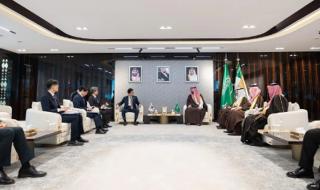

أكد وزير البلديات والإسكان ماجد الحقيل أن مستقبل المدن السعودية يعتمد على الابتكار والشراكة الإستراتيجية بين القطاع الحكومي والمؤسسات الأكاديمية، ودور الذكاء الاصطناعي كأداة رئيسية في تطوير مدن ذكية ومستدامة.
وأوضح في جلسة بعنوان «نحو مدن المستقبل الذكية والمستدامة»، خلال لقائه بالأكاديميين وطلبة جامعة الملك فهد للبترول والمعادن في الرياض، أن اعتماد التقنيات الحديثة مثل الرؤية الحاسوبية والرقابة الذكية ساهم في رفع معدل الامتثال إلى 64٪، وخفض تكاليف التشغيل بنسبة 80٪، وتقليل الاعتماد على المراجعات الحضورية إلى 2٪، إضافة إلى تحقيق وفورات تشغيلية تجاوزت 250 مليون ريال من تحسين جودة طبقات الطرق.
وبين الوزير الحقيل أن الوزارة تسعى لإنشاء مختبرات وطنية حية لتطبيقات الذكاء الاصطناعي، من التصميم الحضري التوليدي إلى استخدام الطائرات بدون طيار المدعومة بالرؤية الحاسوبية، لتسريع نقل الابتكار من المختبر إلى شوارع المدن مع ضمان التطبيق المسؤول للتقنيات، وتطوير «التوأم الرقمي» للمدن لمحاكاة السيناريوهات المستقبلية قبل تنفيذها، ودعم اتخاذ القرارات الاستباقية القائمة على بيانات دقيقة لتعزيز كفاءة العمليات واستدامة الموارد.
شركاء إستراتيجيون
وذكر الحقيل أن الجامعات ليست مجرد صروح أكاديمية، بل شركاء إستراتيجيون يقودون التحول الحضري، معتمدين على الذكاء الاصطناعي لتحليل النمو السكاني وتحسين تدفق الحركة وتصميم الفراغات العامة بما يتوافق مع احتياجات المجتمع وتحويل التحديات الحضرية المعقدة إلى فرص تنموية مستدامة.
احتياجات فعلية
وأشار إلى أن البحث العلمي في الوزارة يرتكز على احتياجات الوطن الفعلية، ويشمل تطوير خوارزميات ونماذج سعودية في مجالات الإسكان والنقل والاستدامة، بما في ذلك التنبؤ بالطلب على المساكن، رفع كفاءة استهلاك الطاقة في المباني، وأنظمة ذكية لإدارة شبكات المياه لتعظيم الأثر الوطني.
ولفت إلى أن إشراك الطلاب والباحثين في مشاريع واقعية يمكّن الجيل القادم من الخبراء من استخدام الذكاء الاصطناعي بشكل أخلاقي ومسؤول، وأن التعاون مع الجامعات، بما فيها جامعة الملك سعود، ساهم في تطوير برامج التصميم الحضري وتأصيل العمارة السعودية واعتماد 19 دليلاً تصميمياً، ما رفع جودة المشهد العمراني.
الرؤية القيادية
وتناول الحقيل دور التجربة الدراسية في تشكيل الرؤية القيادية، موضحاً أن التجربة كانت مصنعاً لصقل طريقة التفكير، وعلمت كيفية تحليل المشكلات المعقدة والعمل بروح الفريق وتحمل المسؤولية، وهي المبادئ التي تطبق اليوم في إدارة أكثر من 140 محافظة ومدينة تخدم أكثر من 15 مليون نسمة.
وتطرق إلى دور الجامعات، وعلى رأسها جامعة الملك فهد، في بناء المدن الذكية، حيث يساهم خريجو الجامعة في تفعيل «إطار قياس أثر أعمال القطاع البلدي» (MCIF) عبر 14 مؤشراً لتحليل البيانات وتحويلها إلى قرارات وأثر ملموس.
تحول جوهري
وأشار إلى التحول الجوهري في فلسفة العمل من تطوير الخدمات إلى إعادة هندسة طريقة التفكير وصناعة القرار.
وأوضح الوزير الحقيل أن هذا التحول رفع رضا السكان عن الخدمات البلدية من 49% إلى أكثر من 65%، والرضا عن نظافة المدن من 53% إلى 76%، وخفض نسبة معالجة النفايات بطرق غير صحية من 64% إلى 49%.
وأضاف أن المدن الإدراكية تمثّل مستقبل الحياة الحضرية، حيث تستخدم البيانات والتقنيات المتقدمة لإدارة أصول ضخمة بشكل استباقي، بما يشمل أكثر من 8,000 حديقة وساحة عامة وشبكة طرق تمتد لأكثر من 196 ألف كيلومتر، لضمان جودة الحياة واستدامة الموارد.
قيمة اقتصادية
وأكد الوزير الحقيل أن البحث العلمي يتحول إلى قيمة اقتصادية ملموسة عند تطبيقه على أرض الواقع، من خلال رفع كفاءة إدارة الأصول وإنشاء شركات ناشئة، وتحقيق وفورات تشغيلية مباشرة مثل تحسين جودة الطبقات الإنشائية للطرق وتخفيض تكاليف مشاريع البناء والطاقة، ما يعزِّز الاستدامة وجاذبية المدن للاستثمار. وتناول دور تقنيات البناء الحديثة والطباعة ثلاثية الأبعاد والدرونز، مع التركيز على توطين هذه التقنيات في المملكة وتطوير العقول الوطنية، لضمان بناء مدن ذكية تقودها الكفاءات المحلية. ونوه إلى أن طموح الوزارة هو بناء نموذج وطني متكامل يجمع بين المعرفة وصنع القرار، مدفوعاً بقوة الذكاء الاصطناعي، لخدمة الوطن بأكمله، وتحقيق مستهدفات رؤية السعودية 2030.
The Minister of Municipal and Rural Affairs, Majid Al-Hoqail, confirmed that the future of Saudi cities relies on innovation and strategic partnerships between the government sector and academic institutions, as well as the role of artificial intelligence as a key tool in developing smart and sustainable cities.
He explained in a session titled "Towards Smart and Sustainable Future Cities," during his meeting with academics and students from King Fahd University of Petroleum and Minerals in Riyadh, that the adoption of modern technologies such as computer vision and smart monitoring has contributed to raising the compliance rate to 64%, reducing operating costs by 80%, and decreasing reliance on in-person audits to 2%, in addition to achieving operational savings exceeding 250 million riyals from improving road surface quality.
Minister Al-Hoqail indicated that the ministry aims to establish live national laboratories for artificial intelligence applications, from generative urban design to the use of drones supported by computer vision, to accelerate the transfer of innovation from the lab to the streets of cities while ensuring the responsible application of technologies, and developing a "digital twin" of cities to simulate future scenarios before implementation, and support proactive decision-making based on accurate data to enhance operational efficiency and resource sustainability.
Strategic Partners
Al-Hoqail mentioned that universities are not just academic institutions but strategic partners leading urban transformation, relying on artificial intelligence to analyze population growth, improve traffic flow, and design public spaces in line with community needs, transforming complex urban challenges into sustainable development opportunities.
Actual Needs
He pointed out that scientific research in the ministry is based on the actual needs of the nation, including the development of Saudi algorithms and models in the fields of housing, transportation, and sustainability, including predicting housing demand, enhancing energy efficiency in buildings, and smart systems for managing water networks to maximize national impact.
He emphasized that involving students and researchers in real projects enables the next generation of experts to use artificial intelligence ethically and responsibly, and that collaboration with universities, including King Saud University, has contributed to the development of urban design programs and the establishment of Saudi architecture, adopting 19 design guidelines, which has raised the quality of the urban landscape.
Leadership Vision
Al-Hoqail discussed the role of educational experience in shaping leadership vision, explaining that the experience has been a factory for refining thinking methods, teaching how to analyze complex problems, work as a team, and take responsibility, principles that are now applied in managing more than 140 governorates and cities serving over 15 million people.
He touched on the role of universities, led by King Fahd University, in building smart cities, where the university's graduates contribute to activating the "Municipal Sector Impact Measurement Framework" (MCIF) through 14 indicators for data analysis and transforming it into decisions and tangible impact.
Fundamental Transformation
He pointed to the fundamental transformation in the work philosophy from developing services to re-engineering the way of thinking and decision-making.
Minister Al-Hoqail clarified that this transformation has raised residents' satisfaction with municipal services from 49% to over 65%, satisfaction with city cleanliness from 53% to 76%, and reduced the percentage of waste being processed in unhealthy ways from 64% to 49%.
He added that cognitive cities represent the future of urban life, as they use data and advanced technologies to proactively manage massive assets, including over 8,000 parks and public squares and a road network extending over 196,000 kilometers, to ensure quality of life and resource sustainability.
Economic Value
Minister Al-Hoqail affirmed that scientific research transforms into tangible economic value when applied in reality, through enhancing asset management efficiency and creating startups, achieving direct operational savings such as improving the quality of construction layers for roads and reducing construction and energy project costs, which enhances sustainability and the attractiveness of cities for investment. He discussed the role of modern construction technologies, 3D printing, and drones, focusing on localizing these technologies in the Kingdom and developing national minds, to ensure the building of smart cities led by local competencies. He noted that the ministry's ambition is to build a comprehensive national model that combines knowledge and decision-making, driven by the power of artificial intelligence, to serve the entire nation and achieve the targets of Saudi Vision 2030.
ملحوظة: مضمون هذا الخبر تم كتابته بواسطة عكاظ ولا يعبر عن وجهة نظر مصر اليوم وانما تم نقله بمحتواه كما هو من عكاظ ونحن غير مسئولين عن محتوى الخبر والعهدة علي المصدر السابق ذكرة.